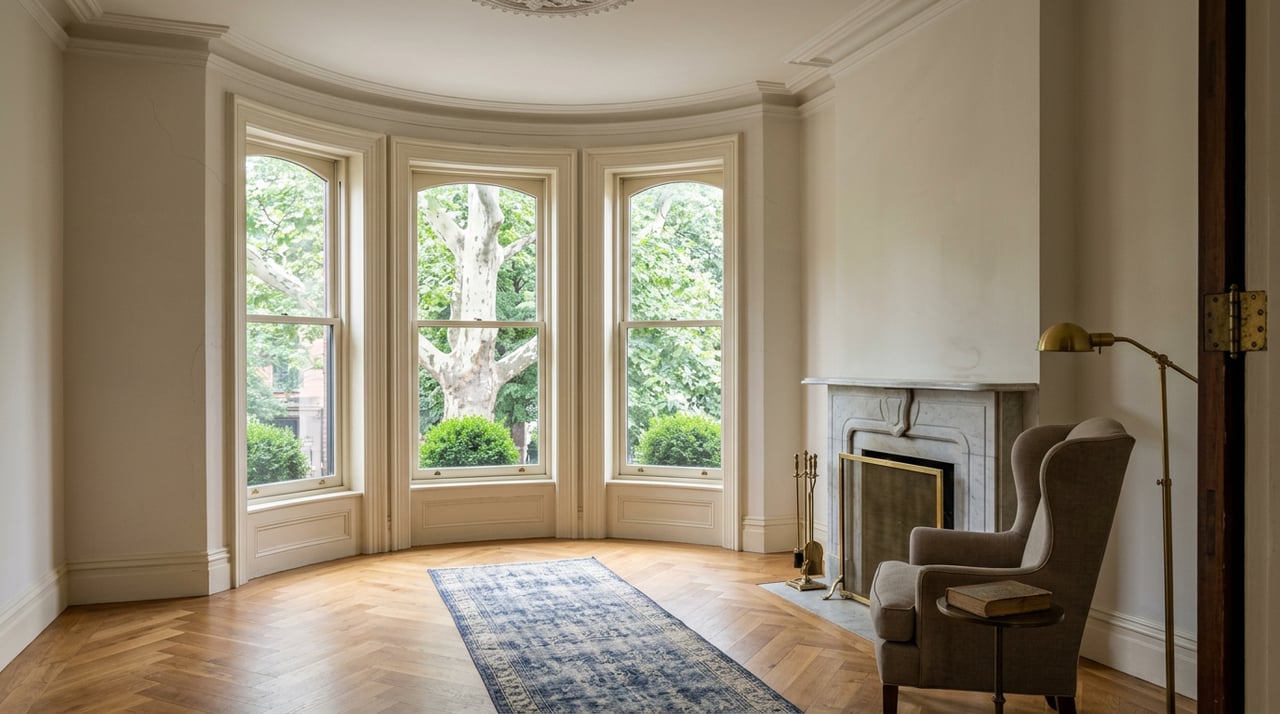
A buyer this year found a one-bedroom in a Back Bay brownstone conversion priced right at the neighborhood's advertised median, submitted an offer, and moved into mortgage underwriting expecting a formality. Then the lender's condo project questionnaire came back flagged. The building's reserve fund did not clear a threshold the buyer had never heard of, and the loan they had already been personally approved for was suddenly not available for that specific address. The deal did not collapse, but it stalled for weeks while the buyer's team found a lender willing to underwrite the project on different terms.
That threshold is new. The Condominium Law Update reports that, as of March 2026, Fannie Mae and Freddie Mac raised the minimum share of a condo association's annual budget that must go to reserves from 10 percent to 15 percent, a change that eventually touches any building whose mortgages the two agencies buy on the secondary market. In a neighborhood built mostly before 1900, that number lands very differently depending on which Back Bay you are buying into.
One Price, Two Very Different Buildings
Back Bay's median price per square foot gets quoted as though it describes a single product. It does not. Depending on the month and which data source is doing the counting, 2026 figures for the neighborhood have ranged from roughly $1,350 to $1,627 per square foot, a spread wide enough on its own to suggest the number is blending more than one kind of building.
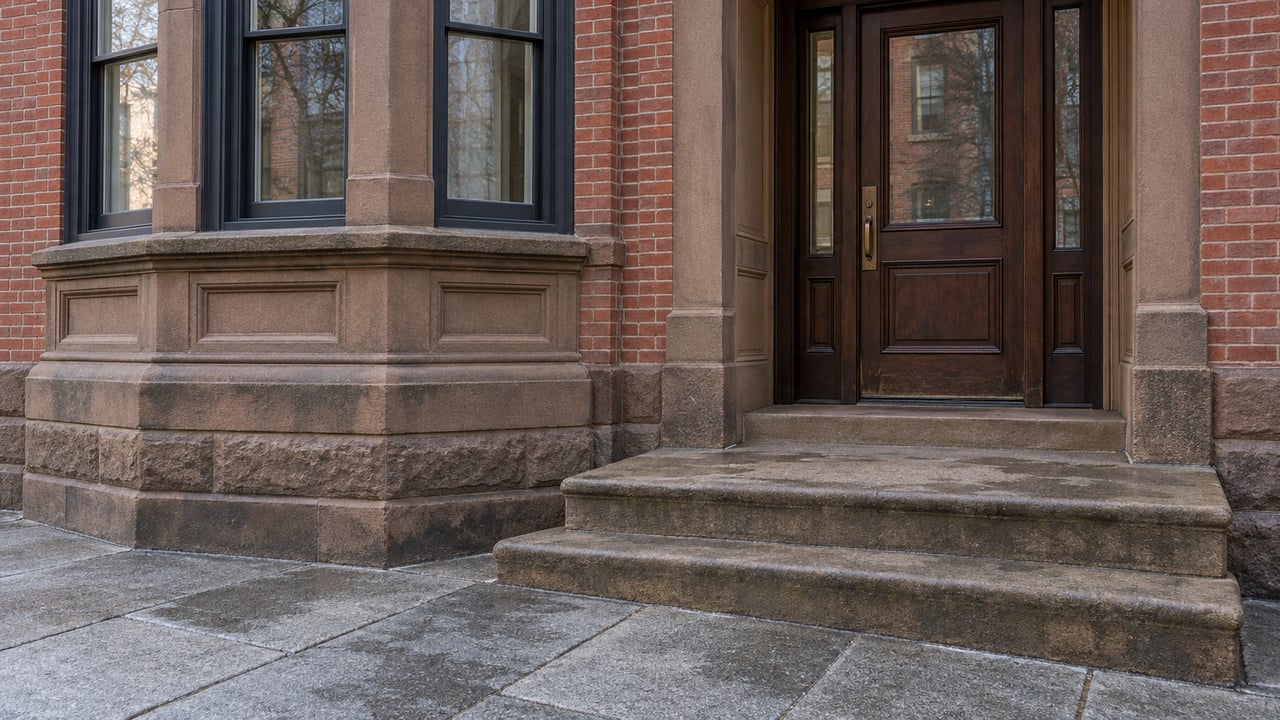
At one end sit the brownstone conversions along Commonwealth Avenue, Marlborough Street, and Beacon Street, most carved out of single-family Victorians into a handful of units decades ago. At the other end sits a smaller number of full-service towers, most visibly One Dalton, the Four Seasons Private Residences designed by Henry N. Cobb for developer Carpenter & Company. Sales inside that tower have traded well above $2,700 per square foot, with individual units reported clearing $4,000, numbers high enough on their own to pull the neighborhood's blended average upward even though most Back Bay listings never approach that price.
A brownstone unit priced 20 percent below a tower unit down the street is not automatically the better-financed purchase. It may just be the one carrying the bigger reserve gap.
The Reserve Rule That Changed in March
Massachusetts law has always required condo associations to keep an adequate replacement reserve fund in an account separate from operating funds, under Chapter 183A of the state's general laws. What the statute does not do, and never has, is define "adequate" as a percentage or require an outside reserve study to test the number. That gap used to be academic. Lenders filled it with their own benchmark, and until this spring that benchmark sat at 10 percent of the annual operating budget.
The updated standards Fannie Mae and Freddie Mac released on March 18, 2026 pushed that benchmark to 15 percent, alongside changes to how project reviews get conducted. For a full-service tower with a professional management company, a large owner base, and reserve planning built into the original condo documents, absorbing five additional points of budget is a line-item adjustment. For a six-unit brownstone association running on volunteer trustees and a reserve line set years ago and rarely revisited, it can mean the building simply does not clear the bar without a special assessment or a bylaw change.
That is the part the price-per-square-foot number cannot show you. Two units listed at an identical price can sit in buildings with very different odds of clearing a lender's project review, and the unit in the older, smaller association is statistically the one more likely to need extra underwriting.
How Historic Review Affects Repair Timing
Reserve dollars only help once an association can actually spend them, and in Back Bay that spending runs through a second layer of review. Exterior work within the historic district, including window replacement and repointed brick, requires sign-off from the Back Bay Architectural Commission, which meets on the second Wednesday of each month to hear design applications and enforce the district's guidelines. A facade repair subject to the commission's review still has to clear that calendar before a contractor can start.
The commission's recent case files illustrate how its review process can affect repair timing. Early 2026 hearings included unapproved masonry repairs at 72 Commonwealth Avenue and unapproved masonry and landscape work at 345 Beacon Street, both cited as violations because work began before the commission signed off. Neither project was unusual in scope. Both illustrate how a brownstone association funding and carrying out a capital repair may need to plan around the commission's monthly hearing calendar rather than a same-week permit process.
Stack that timeline against the new reserve math and the picture sharpens. A brownstone association now has to save a larger share of its budget for a repair, and once it has the money, it may also need to clear a design review board before it can act.
What This Changes for a Buyer Comparing Two Listings
None of this means brownstones are a poor purchase or that towers are automatically the safer choice. It means price per square foot is the wrong first question when two Back Bay units look similar on paper. Before treating two listings as comparable, ask for:
- The association's current reserve study, if one exists, and how recently the reserve line was set
- The percentage of the annual budget currently allocated to reserves, measured against the new 15 percent benchmark
- Whether the building has cleared a full project review with a conventional lender recently, or whether financing has only gone through portfolio loans or cash
- Any open or recent Back Bay Architectural Commission applications tied to the building, which show whether a capital project is already in motion or stalled
A seller or listing agent should have straightforward answers to all four. If they do not, that itself is useful information about how the building is run.
| Brownstone conversion | Full-service tower | |
|---|---|---|
| Typical unit count | A handful of units per building | Dozens to more than a hundred |
| Monthly fee pattern | Lower routine fees, higher assessment risk | Higher routine fees, more predictable budgeting |
| Reserve funding history | Often set years ago, rarely revisited | Built into original condo documents, professionally managed |
| Exterior work | Review applies within historic district | — |
| Financing exposure | More likely to need extra underwriting under the new rule | Usually already funded above the threshold |
For a buyer, the number worth asking about is not what a unit costs per square foot. It is what share of the building's budget already goes to reserves, and whether that share was set before or after March 2026.
Frequently Asked Questions
What does it mean for a condo to be "non-warrantable"? It means the building's project does not currently meet Fannie Mae or Freddie Mac's eligibility standards.
Does Massachusetts require condo associations to run a reserve study? No. State law requires an adequate reserve fund but does not define a percentage or mandate a professional study. The 10 to 15 percent figures buyers hear about come from lender standards, not from Massachusetts statute.
If you are weighing a brownstone unit against a full-service listing in Back Bay, Levy RE Group can help you read the association's financials and reserve position before you write an offer, not after a lender flags them. Contact Us to talk through what a specific building's numbers actually mean for your financing.
This article is general information, not legal, tax or financial advice. Consult a qualified professional about your situation.