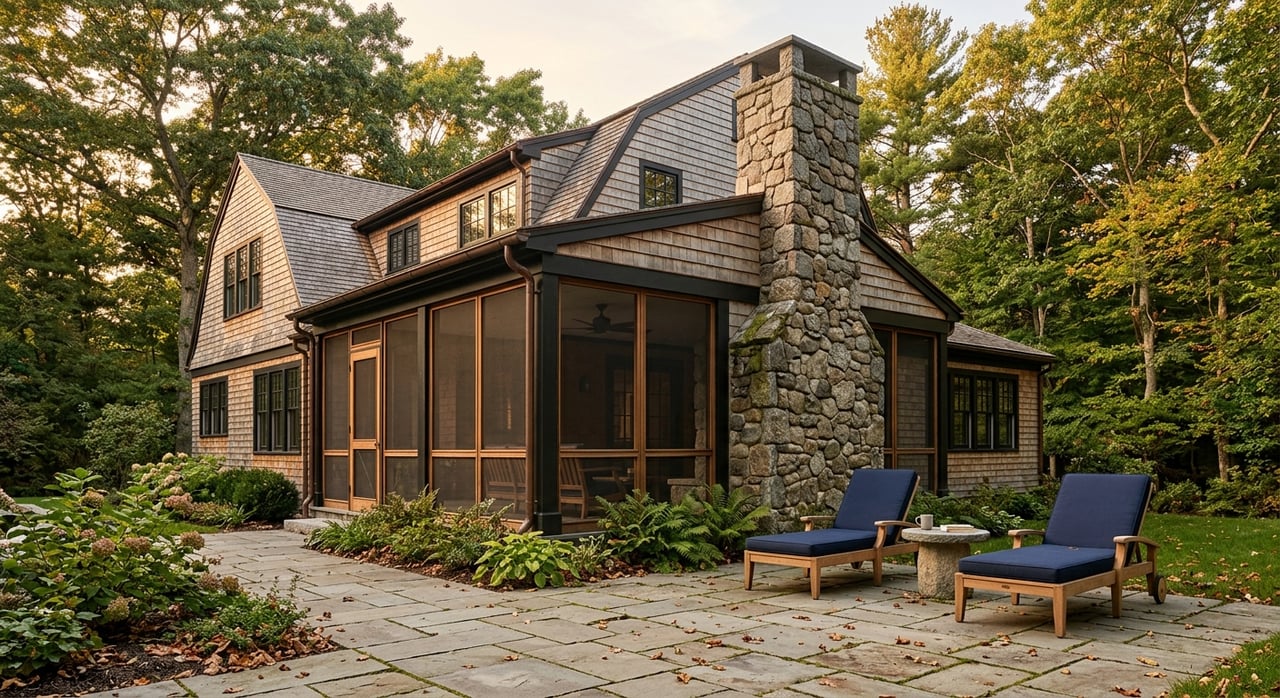
If you are looking for a town that blends everyday convenience with natural beauty and deep cultural roots, Concord stands out quickly. You may know it for its history, but living here is about more than famous landmarks or weekend visits. In Concord, trails, village centers, and arts institutions shape daily life in ways that feel both grounded and distinctive. Let’s take a closer look at what living in Concord can actually feel like.
Why Concord Feels Distinctive
Concord sits about 20 miles west of Boston, which helps explain its appeal for people who want a town with strong local identity and regional access. According to the town, Concord has remained stable at roughly 16,000 residents for decades. That balance gives the community a settled feel while still keeping you connected to commuter rail service and major routes like Route 2, Routes 128/95, and Route 495.
The town is also Massachusetts’ first inland settlement, incorporated in 1635. That long history is visible, but it does not define Concord in a static way. Instead, you see a place where preserved open space, working farms, commercial centers, and cultural institutions continue to shape how people move through daily life.
Concord’s Outdoor Lifestyle
One of the clearest advantages of living in Concord is how easy it is to get outside. The town’s Natural Resources Division manages more than 1,500 acres of conservation land, and those spaces are open to the public for passive recreation under local rules. That means you are not relying on a single park or one well-known destination for fresh air and scenery.
Instead, outdoor access is spread throughout town. Popular areas named by the town include Hapgood Wright Town Forest, Mattison Field, October Farm Riverfront, Punkatasset Preserve, and White Pond Reservation. For many buyers, that broad network is a meaningful part of Concord’s everyday appeal.
Trails and Walkable Green Space
Concord’s trail system supports a lifestyle where walking and biking can feel naturally woven into the week. The town points to routes such as the Town Forest Trail, West Concord Park Trail, and White Pond Reservation Trail, along with the Bruce Freeman Rail Trail and Reformatory Branch Trail. These paths help connect neighborhoods, conservation areas, and village centers in a practical way.
That matters if you value flexibility in how you spend your time. A quick walk, a longer weekend ride, or a peaceful morning on a wooded trail can feel close at hand rather than something you have to plan around.
Rivers, Wetlands, and Water Access
The river landscape is another major part of Concord’s character. Great Meadows National Wildlife Refuge, which includes Concord and Sudbury units, reports that nearly 85% of its conserved land is freshwater wetlands along the Sudbury and Concord Rivers. In the Concord unit, you will find trails, boardwalks, birding areas, and canoe and kayak access to the Concord River.
The town also highlights river-oriented routes such as the Rivers Confluence Trail, where the Sudbury and Assabet Rivers meet to form the Concord River. That combination of wetlands, water access, and trail space adds a quieter, more scenic layer to town life. If you are drawn to landscapes that feel restorative, Concord offers that in a very real way.
Walden Pond and Historic Landscapes
Walden Pond State Reservation adds another dimension to Concord’s outdoor identity. Mass.gov notes trail maps and self-guided opportunities there, and the Walden Woods Project describes the pond as a small glacial lake about two miles outside the village of Concord. It is both a recreation destination and an important literary landscape.
Minute Man National Historical Park offers a different outdoor experience. The park spans 1,038 acres across Concord, Lexington, and Lincoln, and its landscapes are tied to April 19, 1775. In Concord, that means open space often comes with layers of historical meaning, which gives even a simple walk a stronger sense of place.
Concord’s Cultural Depth
Concord’s reputation as a literary and historic town is well earned, but what makes it especially compelling is how present that identity still feels. The town notes that Henry David Thoreau, Ralph Waldo Emerson, Bronson and Louisa Alcott, and Nathaniel Hawthorne all lived, worked, and wrote in Concord. Their legacy is not tucked away from daily life. It remains visible across museums, historic homes, library collections, and public spaces.
For residents, that creates a cultural environment that feels unusually rich for a town of this size. You are not just near history. You are living in a place where literature, civic memory, and the arts continue to shape the community.
Museums, Library, and Literary Landmarks
Concord Center places many of the town’s best-known sites within walking distance of one another. The town specifically points to the Concord Museum, Emerson House, Minute Man National Historical Park, Old Manse, Old North Bridge, Orchard House, and Sleepy Hollow Cemetery. This concentration gives the center of town a strong sense of continuity and purpose.
Orchard House is especially notable because it is the home where Louisa May Alcott wrote and set Little Women. The Concord Free Public Library adds another layer through its special collections, which document Concord’s history, literature, culture, social and political life, government, people, and landscape. The library also serves as a gathering place for book clubs, author talks, and poetry sessions, which helps keep culture active rather than merely preserved.
Arts as Part of Everyday Life
Concord’s arts scene is not limited to heritage sites. The town says the Concord Center Cultural District and West Concord Junction Cultural District help use arts and culture to support economic vitality. It also identifies the Concord Museum, Emerson Umbrella studios for visual and performing arts, and the Performing Arts Center as central cultural assets.
That matters if you want a town where the arts are part of the rhythm of local life. In Concord, culture shows up not only in institutions but also in studios, performances, and village activity. The result feels more lived-in than ceremonial.
Village Centers and Daily Convenience
Concord is often easiest to understand through its village centers. Each area offers a slightly different experience, which can help you think more clearly about lifestyle fit. While the town does not formally classify them as lifestyle zones, its own descriptions suggest meaningful distinctions.
Concord Center
Concord Center is the town’s most historic and walkable core. The town describes it as a picturesque New England business village bordered by 18th- to 20th-century buildings and landscapes that form a National Historic District. It includes locally owned shops, art galleries, cafes, civic buildings, and professional offices.
Many of Concord’s best-known landmarks are close by, including Old North Bridge, The Old Manse, Orchard House, The Wayside, Sleepy Hollow Cemetery, Wright Tavern, and the Concord Museum. If you picture a compact center where you can combine errands, dining, cultural stops, and a walk through a historically significant setting, Concord Center captures that well.
West Concord
West Concord offers a different village experience. Town materials describe it as eclectic, functional, and creative, with artisan shops, cafes, restaurants, artists, performing arts venues, public art, and community events. The business district also includes practical everyday services such as groceries, dry cleaning, shoe repair, pharmacy, and flowers.
This mix gives West Concord a notably useful day-to-day feel. It is village-like in the sense that you can imagine handling errands, meeting friends, and enjoying local businesses in one area. The old rail crossing still influences the district as well, with MBTA Fitchburg Line service continuing there and the former Framingham/Lowell line now serving as the Bruce Freeman Rail Trail.
Thoreau Depot
Thoreau Depot is another important part of how Concord works. The town describes it as a transit-anchored commercial center about half a mile from Concord Center, with the MBTA commuter rail at its core. Nearby, you will find essentials such as grocery, hardware, pharmacy, salons, dry cleaners, fitness studios, and medical and dental offices.
For many households, this practical layer matters just as much as scenery or history. Concord’s parking and transportation page also notes that the town has two MBTA commuter rail stations on the Fitchburg Line, along with public lots and free three-hour on-street parking in retail districts. That blend of access and convenience is a meaningful part of the town’s livability.
How to Think About Lifestyle Fit
If you are considering Concord, it helps to think in terms of what you want your week to look like. If walkability, local shops, and major historic and cultural destinations matter most, Concord Center may feel like the strongest match. If you prefer a village setting with creative energy and practical errands close together, West Concord may stand out.
If your priority is outdoor access, areas near conservation land, Walden, and the river corridors may deserve closer attention. Concord’s appeal is not one-dimensional, and that is part of why buyers are often drawn to it. The town offers several ways to live well, depending on whether you value trails, culture, transit access, or some combination of all three.
Why Concord Appeals to Buyers
Concord offers a rare combination of preserved landscape, cultural significance, and everyday function. You can find commuter rail access, village shopping, trail networks, wetlands, historic landmarks, and arts institutions all within one town. Few communities deliver that range with such a strong sense of continuity.
For buyers, that often translates into confidence in the town’s long-term appeal. Concord is not built around a single attraction or trend. Its charm comes from the way nature, history, culture, and village life reinforce one another over time.
If you are exploring Concord as your next move, local perspective matters. The right fit often comes down to how you want to live day to day, and that is where thoughtful guidance can make a real difference. To talk through neighborhoods, lifestyle priorities, and available opportunities in Concord, connect with Levy RE Group.
FAQs
What is daily life like in Concord, MA?
- Daily life in Concord often centers on a mix of village convenience, outdoor recreation, and cultural access, with Concord Center, West Concord, conservation land, and commuter rail all playing important roles.
What outdoor recreation is available in Concord?
- Concord offers more than 1,500 acres of conservation land, plus trails, rail trails, river access, wetlands, Walden Pond State Reservation, and landscapes within Minute Man National Historical Park.
What is Concord Center known for?
- Concord Center is known for its walkable historic setting, locally owned shops and cafes, and close access to landmarks such as the Concord Museum, Old North Bridge, Orchard House, and Sleepy Hollow Cemetery.
What is West Concord known for?
- West Concord is known for its eclectic village feel, artisan shops, restaurants, public art, community events, and practical services such as groceries, pharmacy, and other everyday businesses.
Does Concord have commuter rail access?
- Yes. The town says Concord has two MBTA commuter rail stations on the Fitchburg Line, which supports access within town and connections toward the Boston area.
Why do buyers consider Concord, MA?
- Buyers often consider Concord for its combination of preserved open space, cultural and literary importance, village charm, and regional accessibility about 20 miles west of Boston.