If you are looking for a town where landscape, design, and privacy feel thoughtfully protected, Lincoln stands apart. This is not a place that tries to impress with noise or density. Instead, it offers a quieter kind of luxury shaped by open land, architectural depth, and easy access to both nature and Boston. Let’s take a closer look.
Why Lincoln Feels Different
Lincoln’s character is rooted in scale and stewardship. The town has 14.23 square miles of land and a 2020 population of 7,014, which gives it a notably low-density feel by Greater Boston standards.
That sense of space is not accidental. Lincoln’s open-space plan says nearly 35% of the town, or about 5 square miles, is permanently protected. The town’s long-term planning has also emphasized unspoiled landscape, tree-lined country roads, older buildings in the center, and homes that blend into the surroundings.
For you as a buyer or homeowner, that means Lincoln often feels less like a typical suburb and more like a carefully maintained landscape community. The setting shapes daily life, visual character, and the long-term appeal of the town.
Nature Shapes Everyday Life
In Lincoln, open space is not just something you drive past. It is part of how people move through the day, spend time outdoors, and experience the town.
The town says its trail system stretches about 80 miles across 2,400 acres of conservation land and private property. These trails are used by walkers, runners, bicyclists, horse riders, skiers, snowshoers, birders, and farmers, which speaks to how deeply outdoor access is woven into local life.
The Conservation Department manages 1,600 acres of municipal conservation land, adding another layer of protected natural space. For many people, that kind of access is a major part of Lincoln’s appeal because it supports a lifestyle that feels active, peaceful, and connected to the landscape.
Trails, Farms, and Daily Rhythm
Lincoln’s outdoor culture goes beyond wooded paths. Drumlin Farm, a 291-acre wildlife sanctuary run by Mass Audubon, gives you access to trails through fields, forests, and wetlands, along with a working farm setting and resident wildlife.
The town is also extending an off-road path from the Lincoln Station area toward Walden Pond through the Bay Circuit Trail corridor. That project reflects something important about Lincoln: recreation, conservation, and practical movement through town often work together rather than compete.
The Codman Estate grounds add to that experience. They are open from dawn to dusk and connect to town conservation trails, showing how Lincoln’s historic properties and natural spaces often feel linked in one continuous landscape.
Architecture With Real Range
Lincoln’s built environment is one of its most distinctive features. If you appreciate homes and places with design pedigree, you will find real variety here.
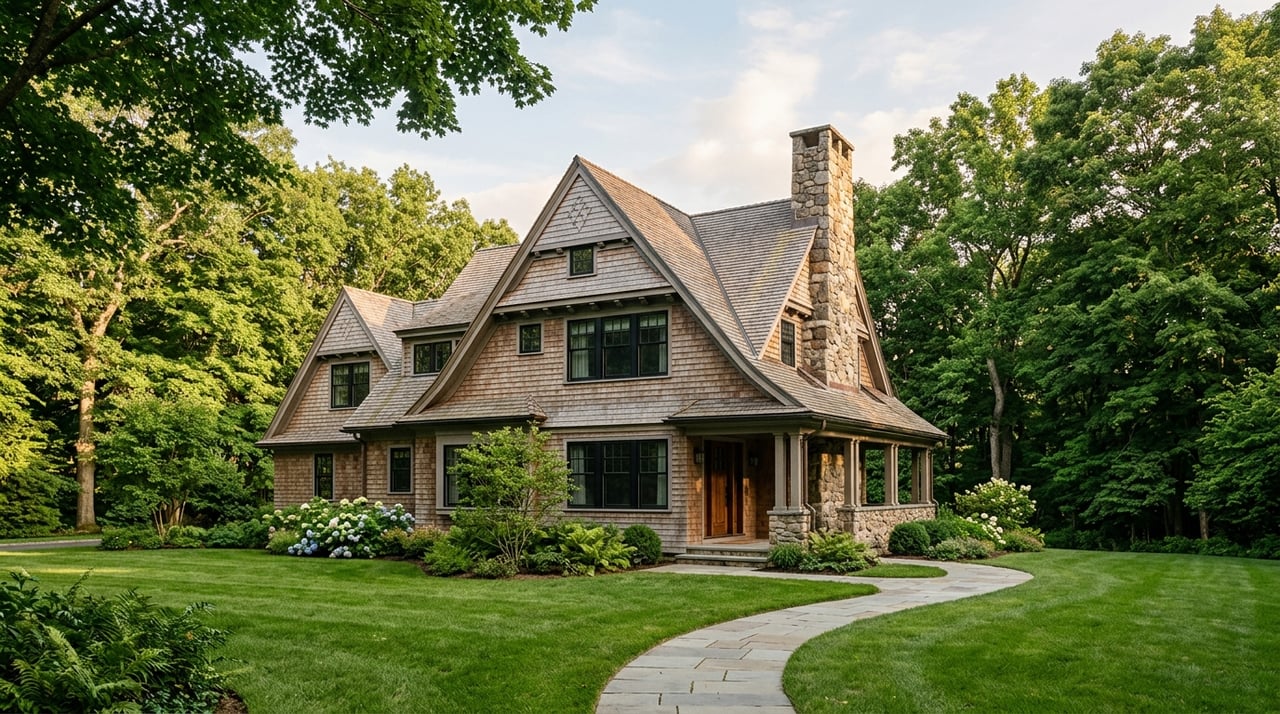
Historic New England describes Lincoln as having architecture that ranges from early Colonial buildings to twentieth-century Modern landmarks. That broad range gives the town a layered visual identity that feels both rooted and sophisticated.
This mix is also actively protected. Lincoln’s Historical Commission and Historic District Commissions work to preserve buildings and places significant to the town’s history, and the town’s reconnaissance report identifies five National Register districts.
Historic Estates and Town Legacy
The Codman Estate is one of the clearest examples of Lincoln’s historic depth. Historic New England says it began as a Georgian mansion built between 1735 and 1741 and later evolved into a Federal-style country seat.
That history matters because it reflects a larger pattern in Lincoln. The town’s older estates, agricultural land, and center village character are part of a long-standing commitment to preserving place rather than replacing it with more conventional suburban development.
For buyers who value heritage, proportion, and setting, Lincoln offers an architectural story that feels authentic. The homes and landscapes here often carry a strong sense of continuity.
Modernism Has a Strong Presence
Lincoln is not only historic. It also has an important modernist tradition.
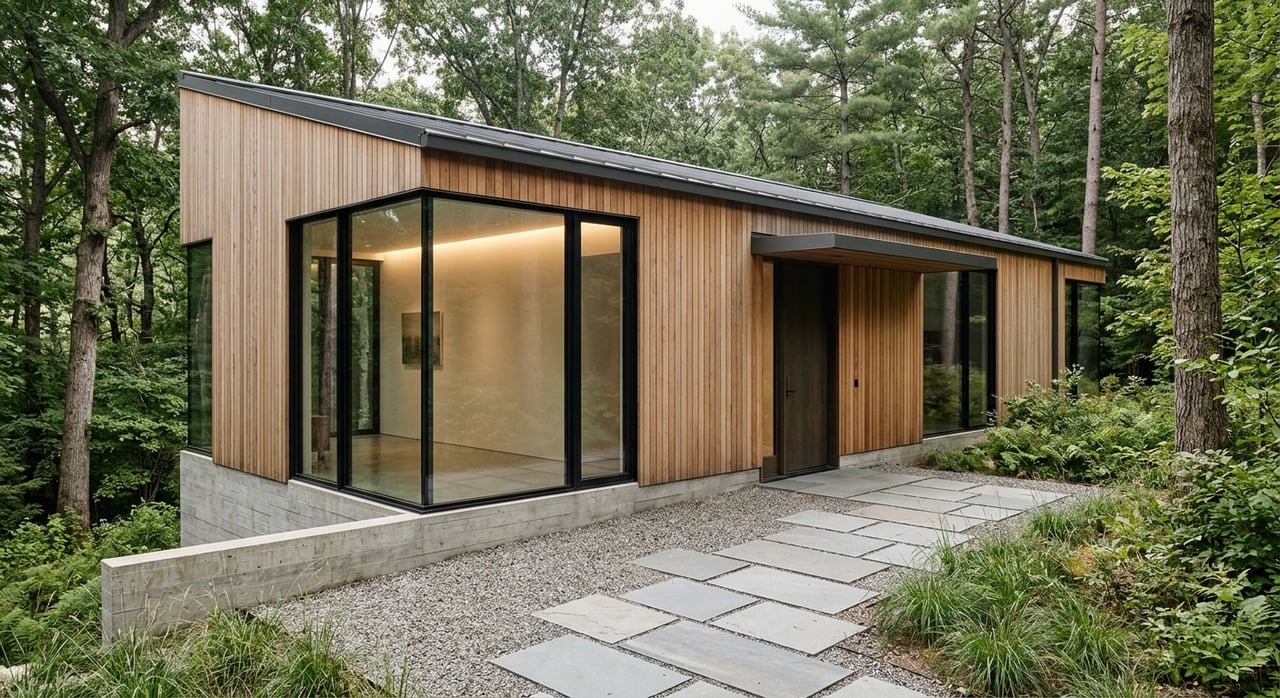
Gropius House, built in 1937 as Walter Gropius’s family home, is one of the town’s best-known landmarks. Nearby Woods End Road includes three other Modern buildings by Gropius, Marcel Breuer, and Walter Bogner, and Lincoln has more than sixty mid-century Modern structures.
That combination makes Lincoln unusual in the region. You can find Colonial and Federal-era architecture alongside nationally significant Modern design, all within a town that takes preservation seriously.
What Quiet Luxury Means in Lincoln
Luxury in Lincoln is rarely about showiness. It is more often expressed through privacy, land, thoughtful architecture, and a strong sense of calm.
The town’s low density, protected open space, and intentional rural character all shape that experience. Instead of dense commercial strips or highly built-up neighborhoods, Lincoln offers room, restraint, and visual harmony.
Cultural access is part of that appeal too. deCordova Sculpture Park and Museum spans 30 acres and offers outdoor sculpture, nature tours, yoga, curator conversations, and other programming, bringing art and landscape together in a way that feels very much in step with the town.
Minute Man National Historical Park also contributes to Lincoln’s identity. The park includes a visitor center and Battle Road trailhead in Lincoln, spans 1,038 acres across three towns, and sits within a corridor the town says was designated an All-American Road in 2021.
For many buyers, this is the essence of quiet luxury. You get privacy, preserved surroundings, cultural depth, and architectural distinction without a loud or overbuilt feel.
Rural Feel, Boston Access
One of Lincoln’s strongest lifestyle advantages is that its rural character does not require complete disconnection. You can enjoy a quieter setting while still maintaining practical regional access.
Historic New England describes Lincoln as less than a half hour west of Boston and accessible by car or commuter rail. The town also notes that Lincoln Station is on the MBTA Fitchburg Line and has had continuous commuter service since before 1850.
That matters if you want a town that feels tucked away but still supports commuting and regular trips into the city. Lincoln’s transportation planning also includes ongoing pedestrian and bicycle improvements that connect the station area, village center, schools, and regional destinations.
Access Without Losing Character
What makes Lincoln notable is not simply that it has a train station. It is that access has been integrated into a town that still protects its identity.
The station area, trail extensions, and pedestrian improvements show a practical side to Lincoln’s planning. You can see how the town works to balance movement, conservation, and village life without sacrificing the landscape qualities that make it special.
For buyers who want both breathing room and convenience, that balance is a meaningful part of Lincoln’s long-term value.
Who Lincoln Appeals To Most
Lincoln often resonates with buyers who are looking for more than square footage alone. If you care about setting, design, privacy, and a town with a strong stewardship ethic, Lincoln offers a compelling mix.
It may be especially appealing if you are drawn to:
- Protected open space and outdoor access
- Homes with architectural character
- A lower-density residential environment
- Cultural destinations with a local feel
- Commuter rail access to Boston
- A luxury experience defined by quality and discretion rather than spectacle
That does not mean every home or every part of town feels the same. Lincoln’s appeal comes from the way these features work together across the town as a whole.
Why Buyers and Sellers Watch Lincoln Closely
From a real estate perspective, Lincoln offers something increasingly rare: a community where land preservation, design legacy, and limited density help support a distinctive market position. When a town protects so much of its landscape and actively preserves its historic character, that can shape how buyers perceive long-term desirability.
For buyers, Lincoln may offer a chance to invest in a setting with enduring lifestyle value. For sellers, the town’s identity can be an important part of how a property is positioned, especially when architecture, privacy, grounds, and access all play a role in the home’s appeal.
A thoughtful strategy matters in a market like this. In a place as nuanced as Lincoln, understanding not just price but also character, presentation, and buyer priorities can make a real difference.
If you are considering a move in Lincoln, working with an advisor who understands both the lifestyle and the market can help you make a more informed decision. To start the conversation, connect with Levy RE Group.
FAQs
How much protected open space is in Lincoln, MA?
- Lincoln’s open-space plan says nearly 35% of the town, or about 5 square miles, is permanently protected.
What is outdoor life like in Lincoln, MA?
- Lincoln has about 80 miles of trails across conservation land and some private property, along with destinations like Drumlin Farm and trail connections near Lincoln Station.
Is Lincoln, MA known for historic or modern architecture?
- Both. Lincoln includes Colonial and Federal-era properties as well as major Modern landmarks like Gropius House and more than sixty mid-century Modern structures.
Is Lincoln, MA convenient for commuting to Boston?
- Yes. Lincoln Station is on the MBTA Fitchburg Line, and the town continues to improve pedestrian and bicycle connections around the station and village center.
What does quiet luxury mean in Lincoln, MA?
- In Lincoln, quiet luxury is reflected in privacy, protected land, architectural significance, cultural access, and a lower-density setting with a calm, understated feel.