If you are getting ready to sell in Lexington, one question matters more than almost any other: what will buyers notice first? In a market where many homes are substantial single-family properties and buyers have time to compare options, condition and presentation can shape both interest and confidence. The good news is that you usually do not need a full renovation to compete. You need a smart plan that helps your home feel well cared for, neutral, and ready for its next owner. Let’s dive in.
Why home prep matters in Lexington
Lexington remains a strongly single-family market. According to the Town of Lexington's 2025 Housing Needs Assessment, 82% of housing units are single-family homes, and the median sale price of 279 Lexington single-family sales for the 12 months ending November 19, 2025 was $1.9 million.
A local MLS review dated April 16, 2026 showed Lexington single-family homes averaging about $2.09 million in sale price, $2.11 million in list price, and 60 days on market year-to-date. That kind of timeline suggests buyers are not always rushing past details. They can compare condition, presentation, and pricing with care.
That is why thoughtful preparation matters. Your home does not have to be newly remodeled, but it should feel clean, maintained, and easy to trust.
Start with condition, not cosmetics
Before you choose paint colors or think about staging, take an honest look at your home's overall condition. Buyers are often more sensitive to visible maintenance issues than sellers expect. The 2025 Remodeling Impact Report found that 46% of buyers are less willing to compromise on the condition of a home than they were in prior years.
That makes early diagnosis important. If your roof has a known issue, the front entry looks tired, or deferred maintenance is easy to spot, those items can affect how buyers interpret the rest of the property.
A practical first step is to walk through your home as if you were seeing it for the first time. Look for worn finishes, sticking doors, chipped paint, dated light fixtures, scuffed trim, and anything that could raise questions about upkeep.
Focus on the prep tasks buyers notice most
When sellers prepare a home for market, the highest-value work is often surprisingly simple. The 2025 Profile of Home Staging found that sellers' agents most often recommend:
- Decluttering the home
- Whole-home cleaning
- Improving curb appeal
- Professional photos
- Minor repairs
- Carpet cleaning
- Depersonalizing
- Paint touch-ups
- Painting walls
The pattern is clear. The best early work usually removes friction instead of adding features.
Declutter and depersonalize first
Decluttering helps buyers see the space itself rather than your belongings. It also makes rooms feel larger, calmer, and easier to photograph.
Depersonalizing matters for the same reason. When personal photos, collections, and very specific decor are reduced, buyers can picture their own life in the home more easily.
If you are still living in the property while preparing it for sale, aim for a clean, edited version of daily life. Clear counters, simplify shelves, and remove anything that makes a room feel crowded.
Deep clean the whole home
A clean house sends a powerful signal about maintenance. Even beautiful homes can feel less compelling if buyers notice dusty trim, marked walls, cloudy windows, or worn floors.
Pay close attention to kitchens, baths, windows, baseboards, and entry areas. In Lexington's upper-bracket single-family market, buyers often notice finish quality quickly, and cleanliness supports every other part of the presentation.
Handle minor repairs
Small defects can create outsized doubt. A loose handle, cracked tile, dripping faucet, or damaged screen may seem minor, but together they can make buyers wonder what else has been overlooked.
Before listing, tighten the details you can address efficiently. This is usually one of the most cost-effective ways to improve buyer confidence.
Prioritize the rooms that shape buyer perception
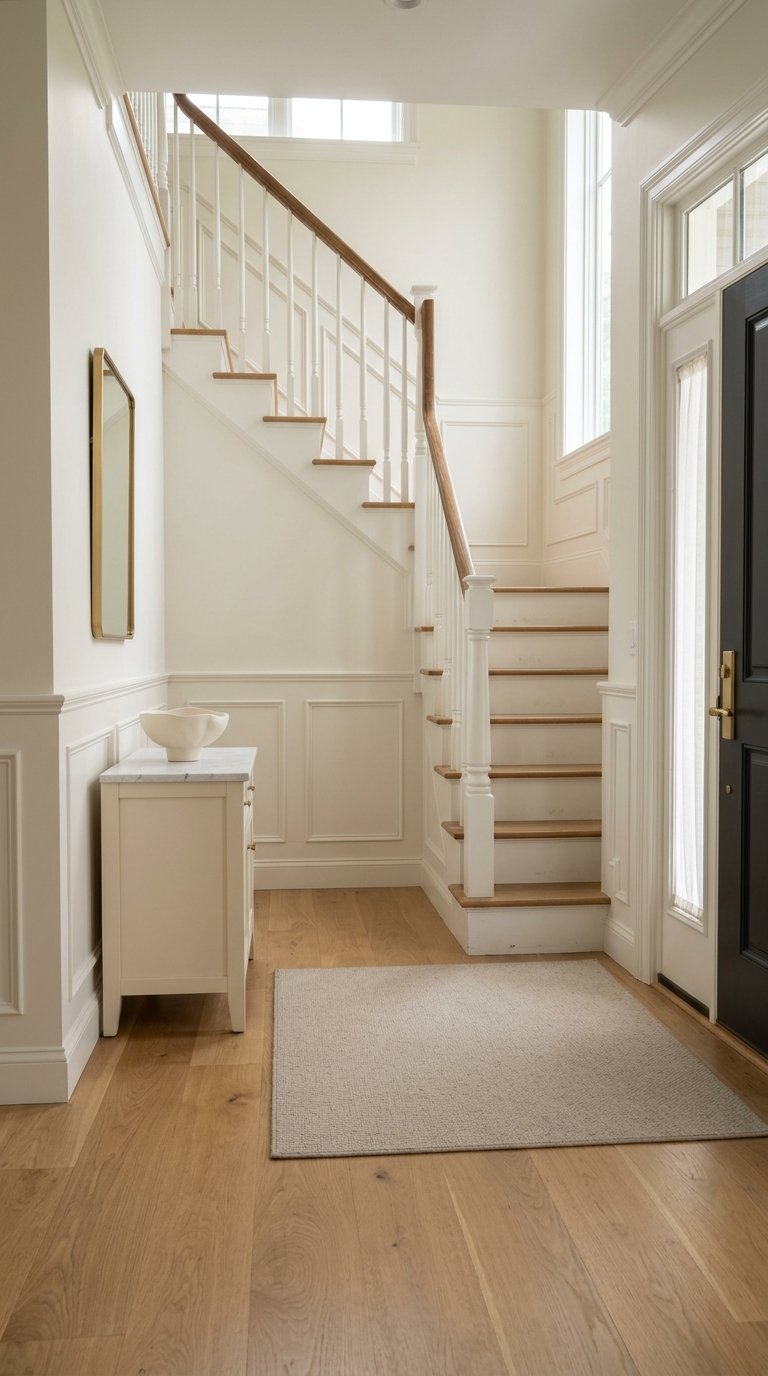
If your budget or timeline is limited, not every room needs the same level of attention. The 2025 Profile of Home Staging found that buyers' agents ranked the living room, primary bedroom, and kitchen as the most important rooms to stage.
Sellers' agents most commonly stage the living room, primary bedroom, dining room, and kitchen. That gives you a practical roadmap for where to focus first.
Living room
The living room often carries the emotional first impression of the interior. It should feel bright, comfortable, and easy to understand.
Use simple furniture placement, open walking paths, and restrained decor. If the room feels too full, remove pieces rather than trying to style around them.
Primary bedroom
The primary bedroom should feel restful and spacious. Neutral bedding, fewer personal items, and clean surfaces can help the room read as calm and intentional.
If closets are part of the showing experience, organize them as well. Storage presentation can influence how buyers evaluate the home's functionality.
Kitchen and dining areas
Kitchens do not always need a full renovation before sale. In many cases, cosmetic tightening is enough to improve perception.
Clear the counters, reduce visual clutter, and make sure lighting works well. Fresh hardware, touch-up paint, and small finish fixes can make the space feel more current without taking on a major project.
Pair staging with strong photography
Presentation does not end at the front door. Many buyers form their first impression online, which makes photography and staging especially important together.
The 2025 Profile of Home Staging found that sellers' agents rated photos as the most important listing tool, followed by videos and physical staging. The same report found that 83% of buyers' agents said staging makes it easier for buyers to visualize a property as a future home.
Staging can also influence value perception. In that report, 19% of sellers' agents said staging increased the dollar value offered by 1% to 5%, and 10% reported increases of 6% to 10%.
For many Lexington sellers, that means polished preparation is not just about appearance. It can support stronger positioning from the moment your home hits the market.
Choose updates with care
When you are preparing to sell, it is easy to overspend on projects that may not meaningfully improve the result. The better approach is to put your budget where buyers are most likely to notice and appreciate it.
According to the 2025 Remodeling Impact Report, the projects REALTORS most often recommend before listing are:
- Painting the entire home
- Painting one interior room
- New roofing
- Kitchen upgrades
- Bathroom renovations
The same report also noted strong cost recovery for some visible exterior items, including a new steel front door.
Updates that often make sense
For many Lexington homes, the best pre-listing investments are visible, confidence-building improvements. These may include:
- Fresh interior paint in neutral tones
- Front entry improvements
- Cosmetic kitchen or bath updates
- Roof repairs or replacement if condition is a concern
- Window or trim touch-ups where wear is visible
These types of projects help buyers feel that the home has been cared for. They also support photography, showings, and inspection confidence.
Projects that usually should wait
Large remodels are often less compelling if your goal is to sell in the near term. The 2025 Remodeling Impact Report leans more toward paint, roofing, and visible refreshes than full-scale additions or major luxury remodels as pre-listing recommendations.
If a big project solves a clear problem, it may still be worth considering. But if the goal is simply to chase a higher list price, major construction is often secondary to clean presentation, strong condition, and thoughtful pricing.
Do not overlook curb appeal
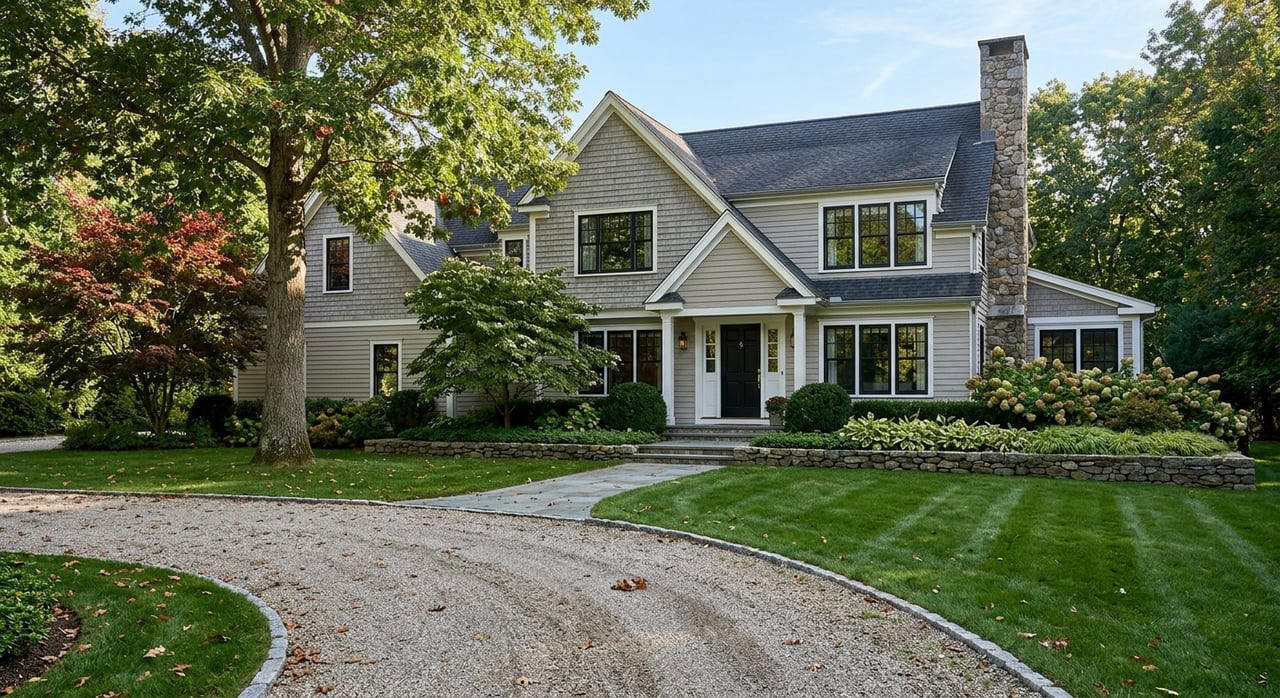
Buyers start forming opinions before they step inside. That makes curb appeal part of your product, not an afterthought.
In the 2025 Profile of Home Staging, improving curb appeal was among the most commonly recommended pre-listing steps. In Lexington, where many homes sit on mature lots and exterior character matters, the first impression can shape how buyers interpret the entire showing.
Focus on the basics first:
- Tidy landscaping
- Clean walkways and steps
- A well-kept front door
- Trimmed plantings
- Clear exterior lighting
- Seasonal cleanup
The goal is not to create something flashy. It is to make the home feel welcoming, maintained, and easy to approach with confidence.
Plan ahead for historic district rules
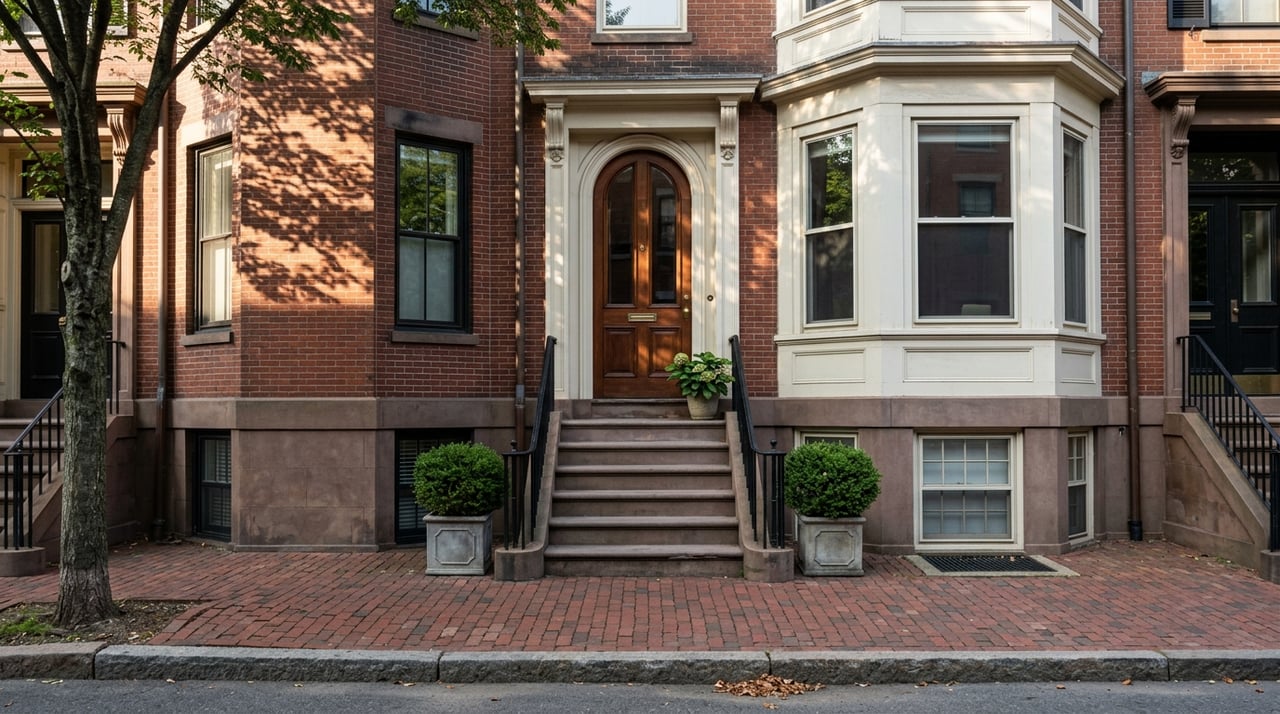
If your Lexington home is in a historic district, timing matters even more. Lexington's Historic Districts Commission reviews and approves plans for construction, demolition, exterior renovations, color changes, and signs within the town's historic districts.
Its guidelines state that most modifications to exterior architectural features visible from a public way require approval before work begins, while ordinary maintenance and in-kind replacement are exempt. The commission also works on a monthly meeting schedule with application deadlines set in advance.
If you are considering exterior paint changes, window replacement, entry updates, or other visible exterior work, check the requirements early. This can help you avoid delays in your listing timeline.
Remember lead-paint paperwork for older homes
Many Lexington homes were built before 1978, which makes lead-paint requirements relevant for some sellers. Massachusetts requires compliance with Property Transfer Lead Paint Notification rules for homes built before that year.
This is an important item to address early in the process, especially if your home is older and you are building a spring or early summer listing plan. It is one more reason why early preparation can make the sale process smoother.
Start earlier than you think
If you are aiming for a spring sale, the timeline should usually begin well before the list date. Realtor.com's 2026 Best Time To Sell report identified April 12 through 18, 2026 as the strongest national listing week, and it also noted that in high-demand metros such as Boston, the spring market can begin in early to mid-March.
The same report said 53% of sellers took one month or less to get their home ready to list. Even so, Lexington sellers with older homes, exterior projects, or approval-dependent work may benefit from starting much earlier.
A calm sequence often works best:
- Assess condition and identify repairs
- Confirm any historic district requirements
- Plan lead-paint paperwork if applicable
- Declutter and depersonalize
- Deep clean and complete minor repairs
- Stage key rooms
- Photograph the home after prep is complete
When you build in time for the details, you create better options for pricing, presentation, and launch timing.
A smart Lexington sale starts with a clear plan
Preparing your Lexington home for sale is not about doing everything. It is about doing the right things in the right order.
In many cases, the strongest results come from a disciplined approach: address condition first, simplify the home, improve the spaces buyers care about most, and invest in visible updates that support confidence. In a market where buyers can compare homes carefully, that kind of preparation can make your property stand out for the right reasons.
If you are thinking about selling in Lexington and want measured, research-driven guidance on positioning your home for the market, Levy RE Group can help you build a prep strategy that fits your timeline, property, and goals.
FAQs
What should Lexington sellers do first before listing a home?
- Start by assessing the home's condition, then prioritize repairs, decluttering, cleaning, and a plan for presentation.
Which rooms matter most when staging a Lexington home for sale?
- The living room, primary bedroom, and kitchen are the top spaces to prioritize based on the 2025 Profile of Home Staging.
Should you renovate your Lexington home before selling?
- Usually, smaller visible updates such as paint, front entry improvements, and minor repairs make more sense than major remodels for a near-term sale.
Do Lexington historic district homes need approval for exterior changes?
- Yes, homes in Lexington historic districts may need Historic Districts Commission approval for many exterior changes visible from a public way.
Do older Lexington homes require lead-paint paperwork when sold?
- Yes, Massachusetts requires Property Transfer Lead Paint Notification compliance for homes built before 1978.
When should you start preparing a Lexington home for a spring sale?
- Start earlier than you think, especially if your home needs repairs, staging, exterior work, or historic district review.