If you are drawn to classic architecture, walkable streets, and the energy of city living, Back Bay often stands out right away. It offers a rare mix of historic character, everyday convenience, and access to some of Boston’s most recognizable streets and landmarks. If you are considering a move here, it helps to understand not just what Back Bay looks like, but what day-to-day life actually feels like. Let’s take a closer look.
Back Bay at a Glance
Back Bay sits along the Charles River near Downtown Boston and the Public Garden. According to the Boston Planning & Development Agency neighborhood overview, the area was created by filling tidal marshland in the mid-1800s, adding about 450 acres to the city.
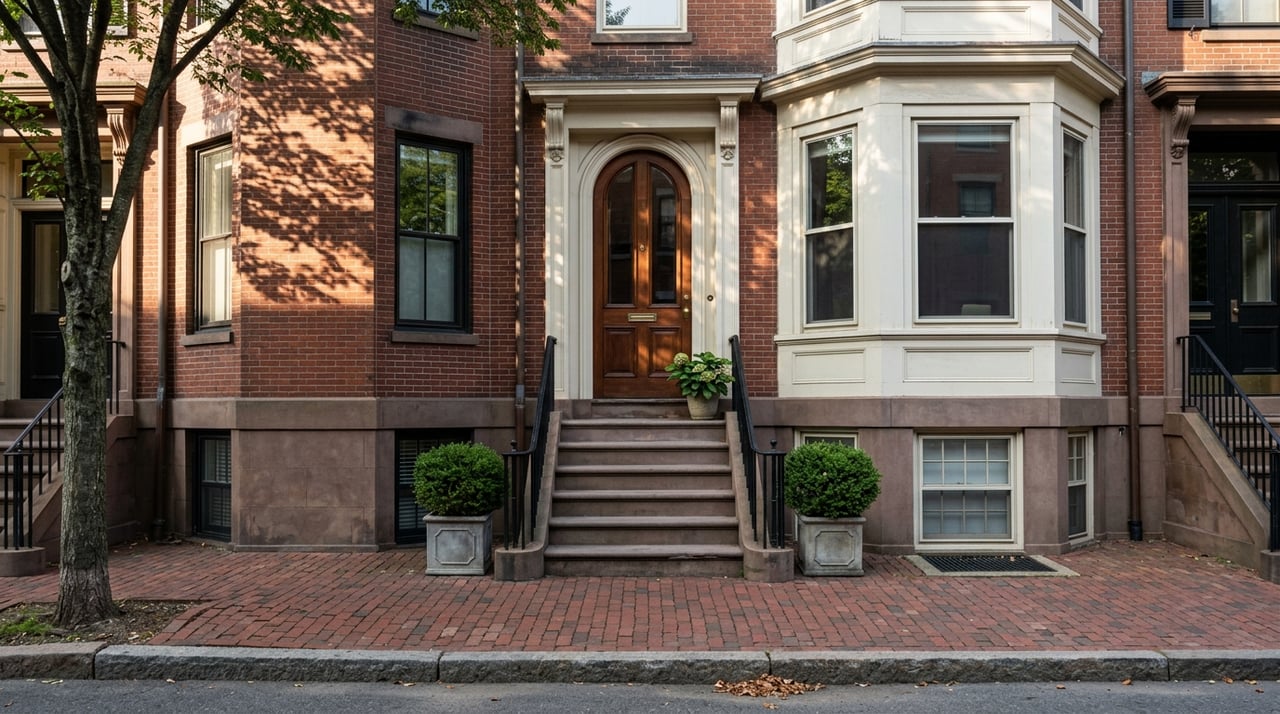
Today, that history still shapes the neighborhood in a visible way. Back Bay is known for elegant architecture, stately Victorian row houses, brick sidewalks, and busy commercial corridors that give the area a polished but active urban feel.
Historic Character Shapes Daily Life
One of the biggest reasons people are drawn to Back Bay is its strong sense of place. This is not a neighborhood of look-alike buildings or recent large-scale development. Its historic fabric is part of what makes living here feel distinctive.
That preservation comes with responsibilities for property owners. The Back Bay Architectural District Commission reviews exterior changes, which means facade updates and other exterior work are more regulated than in many other condo or townhouse markets. For buyers, that is an important part of understanding ownership here.
In practical terms, you are buying into a neighborhood that values consistency and preservation. For many residents, that is a benefit because it helps protect the visual character that makes Back Bay so appealing in the first place.
Homes Tend to Be Smaller and Urban
Back Bay offers a housing mix that leans toward smaller residences. In Boston Planning’s Boston in Context 2025, 56.3% of homes are studios or one-bedroom units, 29.5% are two-bedroom units, and 14.1% are three-bedroom or larger.
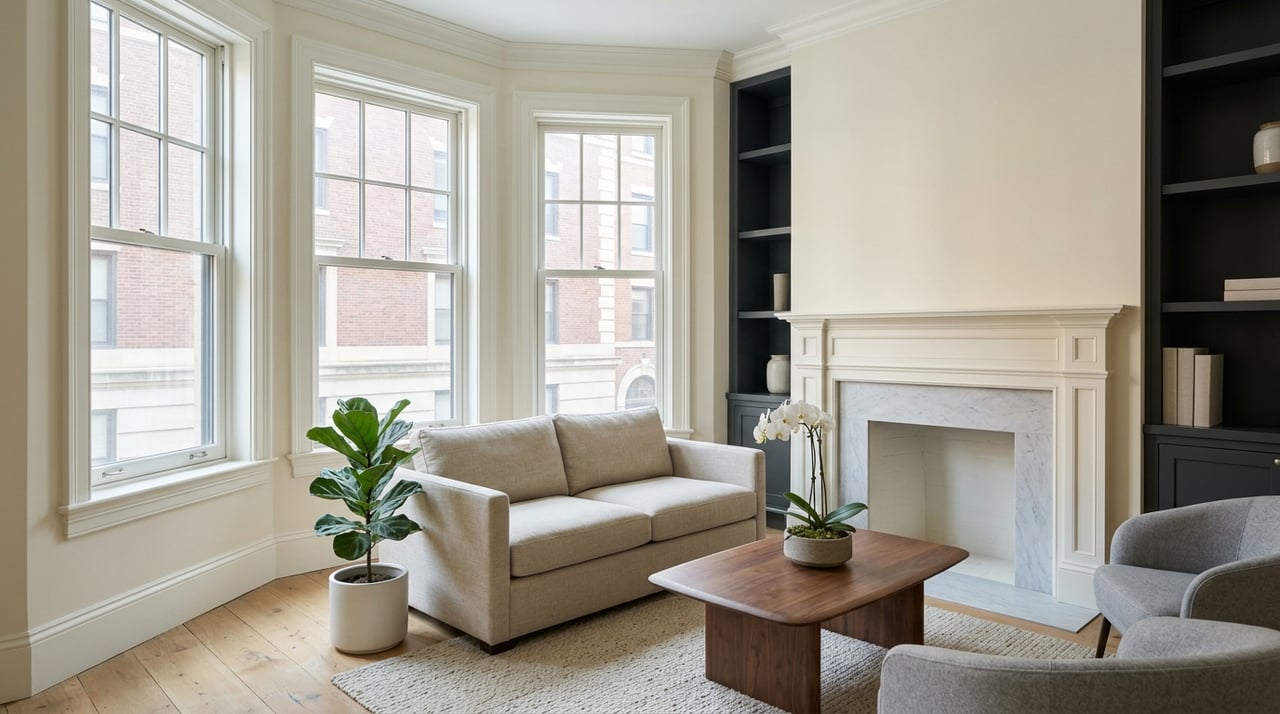
That mix can be a strong fit if you want an urban home base rather than a large-footprint property. Singles, couples, and pied-à-terre buyers are especially likely to appreciate the neighborhood’s layout, convenience, and compact residential options.
The same report notes that 42% of residents are between ages 20 and 34, and 87.3% of adults age 25 and older hold a bachelor’s degree or higher. While every buyer has different priorities, those figures reinforce Back Bay’s reputation as a neighborhood with a highly urban, professional, and educated resident base.
Street Life Is Part of the Appeal
Back Bay is not quiet in the suburban sense, and that is part of the draw. The neighborhood’s daily rhythm is shaped by major commercial streets like Newbury Street, Boylston Street, and Commonwealth Avenue.
The City of Boston’s Back Bay overview describes Newbury Street as a mile-long, eight-block stretch of shops, salons, galleries, and restaurants. That concentration of storefronts and activity gives the neighborhood a lively, walkable feel throughout the week.
Seasonal events add even more energy. The city’s Open Newbury program periodically turns Newbury Street into a pedestrian-only corridor on select Sundays in summer and winter, which changes the pace of the neighborhood and creates a more festival-like street experience.
Back Bay also includes major landmarks such as the Prudential Center, the John Hancock Tower, Trinity Church, and the Boston Public Library, as noted by the city’s neighborhood page. For residents, that means daily life unfolds in a compact area where shopping, dining, offices, hotels, and civic destinations all overlap.
Outdoor Access Is Better Than Many Expect
For a dense central Boston neighborhood, Back Bay offers impressive access to green space and waterfront recreation. That balance is one reason the area appeals to people who want city living without giving up outdoor time.
The Commonwealth Avenue Mall creates a 32-acre green spine that links the Public Garden to the wider park system. It gives the neighborhood a more open, landscaped feel than many urban districts.
The same city resource highlights access to the Charles River Esplanade, which offers riverside walking and biking trails, gardens, and public programming. Boston Planning also points to the Paul Dudley White Bicycle Path, the Esplanade, and the Hatch Shell as notable recreation features in and around Back Bay.
In daily life, this means you can move pretty quickly from brownstone-lined streets to riverfront paths and park space. That kind of contrast is a major part of Back Bay’s lifestyle appeal.
Transit Is a Real Strength
If you value mobility, Back Bay performs well by Boston standards. The neighborhood supports walking, rail access, biking, and driving, but you do not need to rely on a car for most routines.
Amtrak’s Back Bay Station page identifies Back Bay Station at 145 Dartmouth Street as a major regional access point, with Acela, Northeast Regional, and Lake Shore Limited service. The station also sits near destinations like Copley Square, the Boston Public Library, and the Charles River Esplanade.
The city’s Open Newbury page notes nearby Arlington, Copley, and Hynes Green Line stations, along with Back Bay Station on the Orange Line, commuter rail, and Amtrak. That range of options makes the neighborhood especially attractive if you want to commute, travel frequently, or simply move through Boston with flexibility.
The same source also notes BlueBikes stations, bike corrals, and multiple parking garages near Copley Square and Exeter Street. In practical terms, car ownership is possible here, but many residents find walking, biking, and transit to be realistic everyday options.
What Back Bay Feels Like Day to Day
Living in Back Bay often means trading square footage for location, architecture, and convenience. You are close to major city amenities, but you also get a neighborhood identity that feels established and visually distinctive.
You will likely notice a steady flow of foot traffic, especially around Newbury Street, Boylston Street, and major landmarks. During warmer months and event weekends, the neighborhood can feel especially active. For some buyers, that energy is a major plus. For others, it is something to weigh carefully.
Back Bay is also home to the Boston Marathon finish line, according to Boston Planning’s neighborhood page. That adds another layer to the area’s identity and gives springtime in the neighborhood a memorable civic feel.
Who Back Bay Often Fits Best
Back Bay tends to work especially well if you value:
- Walkability and transit access
- Historic architecture and preserved streetscapes
- A central location near dining, shopping, and cultural landmarks
- Smaller residences that function well as a primary home or city base
- Easy access to parks and the Charles River waterfront
It may be a less natural fit if your priorities lean toward:
- Larger homes with more interior square footage
- Private outdoor space on a larger scale
- A quieter, car-first routine
That does not make Back Bay better or worse than other neighborhoods. It simply means the lifestyle is fairly specific, and it helps to be clear about what matters most to you before you begin your search.
What Buyers Should Keep in Mind
Back Bay can be a compelling choice because it offers more than just a prestigious address. It combines architectural beauty, urban convenience, riverfront access, and strong transportation links in a way few Boston neighborhoods can.
At the same time, buyers should approach the area with a clear understanding of the housing stock and ownership considerations. Homes often run smaller, exterior changes can be more regulated, and the street environment is active rather than secluded.
If those qualities align with what you want, Back Bay can offer a highly rewarding living experience. If you are considering a purchase in Back Bay and want thoughtful guidance on fit, value, and positioning, the team at Lincoln Real Estate Advisors offers the calm, research-driven advice that helps you move forward with confidence.
FAQs
What is daily life like in Boston’s Back Bay?
- Daily life in Back Bay is walkable, active, and convenient, with easy access to shopping, dining, parks, riverfront paths, and major transit options.
What types of homes are common in Back Bay Boston?
- Back Bay’s housing stock is weighted toward smaller homes, with studios, one-bedroom units, and two-bedroom units making up most of the neighborhood’s residences.
Is Back Bay Boston a good fit for car-free living?
- Yes, Back Bay offers strong transit access through Back Bay Station and nearby Green Line stops, along with walkable streets, biking options, and BlueBikes stations.
What should buyers know about owning property in Back Bay?
- Buyers should know that exterior changes in the neighborhood may require review and approval from the Back Bay Architectural District Commission because of the area’s historic district protections.
What makes Back Bay different from other Boston neighborhoods?
- Back Bay stands out for its historic Victorian streetscape, major commercial corridors like Newbury Street and Boylston Street, strong access to the Charles River Esplanade, and central location near Downtown and the Public Garden.