If you own a luxury home in Weston, pricing it is rarely as simple as checking the town average or comparing price per square foot. In this market, buyers often weigh land, privacy, design, and setting just as much as the house itself. Before you list, it helps to understand what really shapes value so you can position your home with confidence. Let’s dive in.
Why Weston values work differently
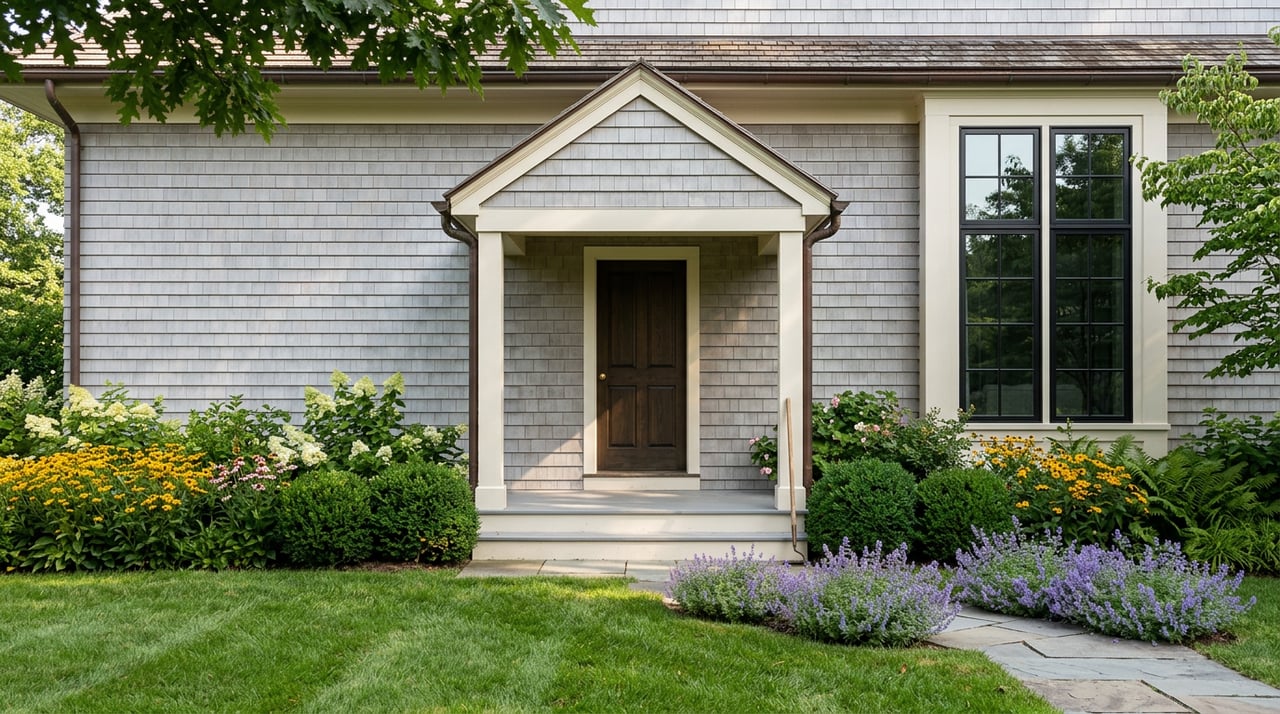
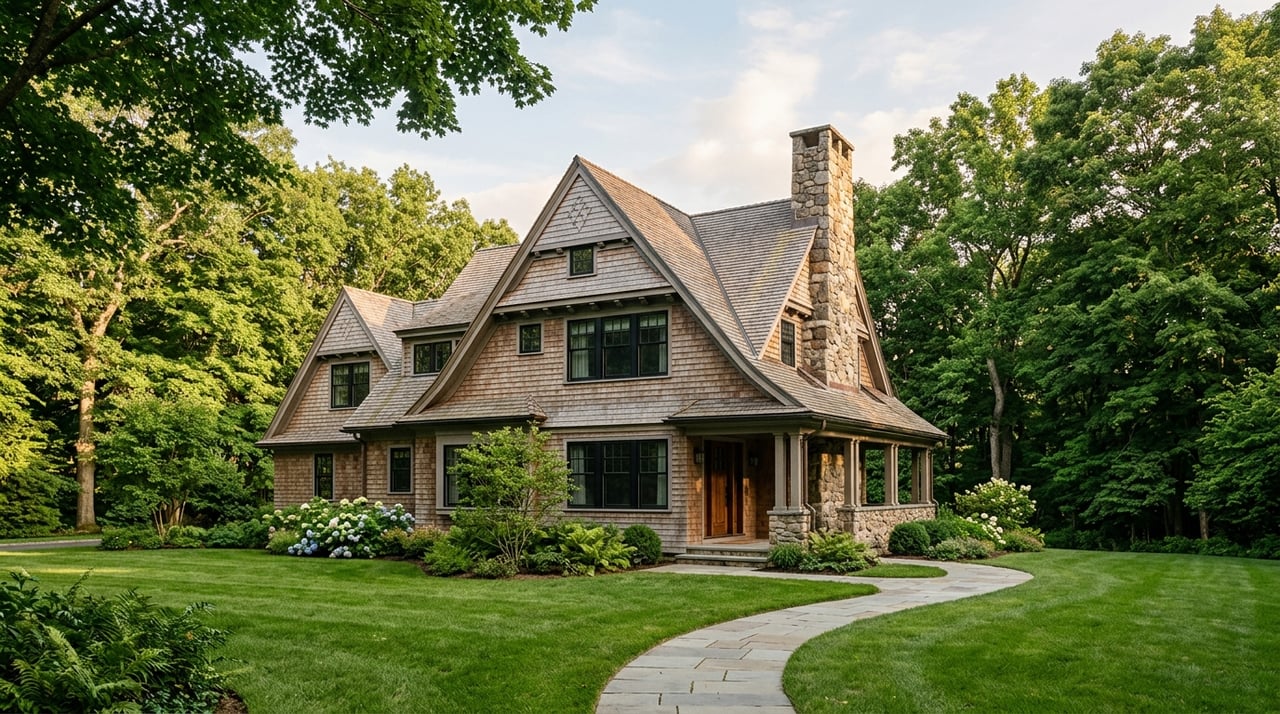
Weston is best understood as a land-and-design market. The town describes itself as a high-income, semi-rural community, and that character matters when buyers evaluate a property. Large lots, natural buffers, and a sense of privacy are not side details here. They are often part of the core value.
The town also has substantial protected open space. Weston says nearly 20 percent of the community is protected as public open space, and the Conservation Commission maintains about 1,800 acres of protected land and roughly 90 miles of trails. That helps explain why homes with wooded settings, conservation adjacency, or distinctive site features can command meaningful premiums.
Zoning adds another layer. Weston requires large minimum lot areas ranging from 20,000 to 60,000 square feet depending on district, with frontage requirements from 150 to 250 feet. In practical terms, that means spacious, private parcels are limited by design, which can make site characteristics especially important when you prepare to list.
Start with Weston, not the region
If you are trying to estimate your home’s value, Weston should be your first pricing anchor. In the latest market snapshot from April 2026, Weston showed the highest average home value and the highest median list price among the nearby towns reviewed. That makes local sales more relevant than broad comparisons to surrounding communities.
Here is the bigger picture from that snapshot:
| Town | Avg home value | Median list price |
|---|---|---|
| Weston | $2,269,220 | $3,331,667 |
| Wellesley | $2,047,618 | $2,365,667 |
| Lexington | $1,609,525 | $2,291,000 |
| Needham | $1,565,418 | $1,851,833 |
| Newton | $1,552,051 | $1,836,917 |
| Lincoln | $1,523,669 | $2,326,667 |
| Wayland | $1,167,678 | $1,347,500 |
That gap matters. A seller who leans too heavily on nearby-town data may miss what makes Weston distinct, especially in the luxury segment where privacy, acreage, and setting carry unusual weight.
Thin inventory changes the pricing process
Luxury pricing in Weston can be challenging because the comp pool is often small. The April 2026 snapshot showed 46 listings in Weston, compared with 90 in Wellesley, 101 in Lexington, and 242 in Newton. Fewer listings and fewer close matches mean each comparable sale has to be selected carefully.
This is why exact matching matters so much before you list. A broad town average may be interesting, but it does not tell you how the market values your specific mix of lot size, architecture, condition, and amenities. In a thin upper-end market, one mismatched comp can distort expectations quickly.
Land can shift value in a major way
One of the biggest pricing questions in Weston is how much the land contributes to the total value. The short answer is: quite a lot. Because of the town’s low-density land use, open-space protections, and large-lot zoning, buyers often place a premium on privacy, frontage, and the overall site experience.
Recent sales make that clear. A home at 61 Scotch Pine Road sold for $2.55 million on 2.3 acres even though the house itself measured only 2,008 square feet. By contrast, 59 Shady Hill Road sold for $3.725 million with a much larger 7,234-square-foot home on 1.09 acres.
Those two sales tell an important story. In Weston, a larger house does not automatically outweigh a more desirable parcel, and a larger parcel does not automatically outweigh superior design or newer construction. The value comes from the combination.
Design and renovation depth matter
Weston’s housing plan notes that many postwar homes have been replaced by much larger houses, often exceeding 6,000 square feet. That trend reflects what buyers in this segment are often looking for: strong layouts, updated finishes, and homes that feel ready for modern living.
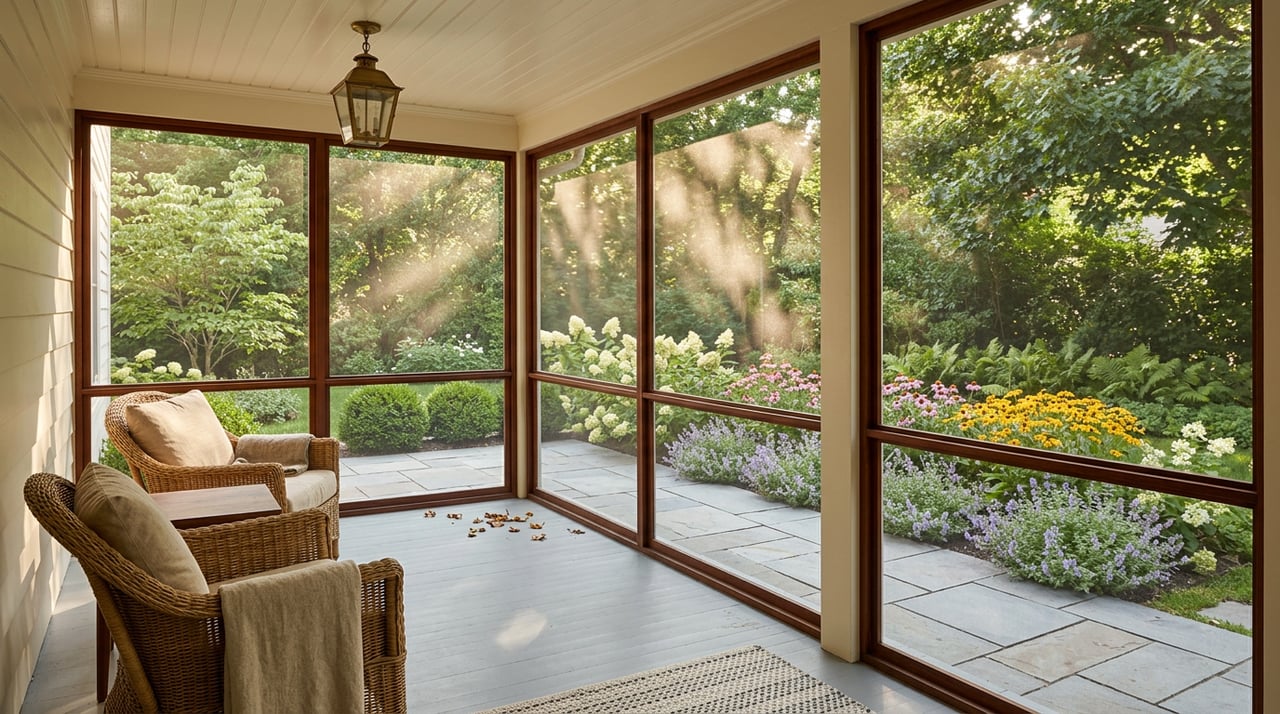
If your home has been thoughtfully renovated, that can influence its pricing power. Buyers may respond to features like an open kitchen, updated primary suite, improved circulation, or better indoor-outdoor flow. In the luxury market, these are not just cosmetic benefits. They help define whether a property feels current and competitive.
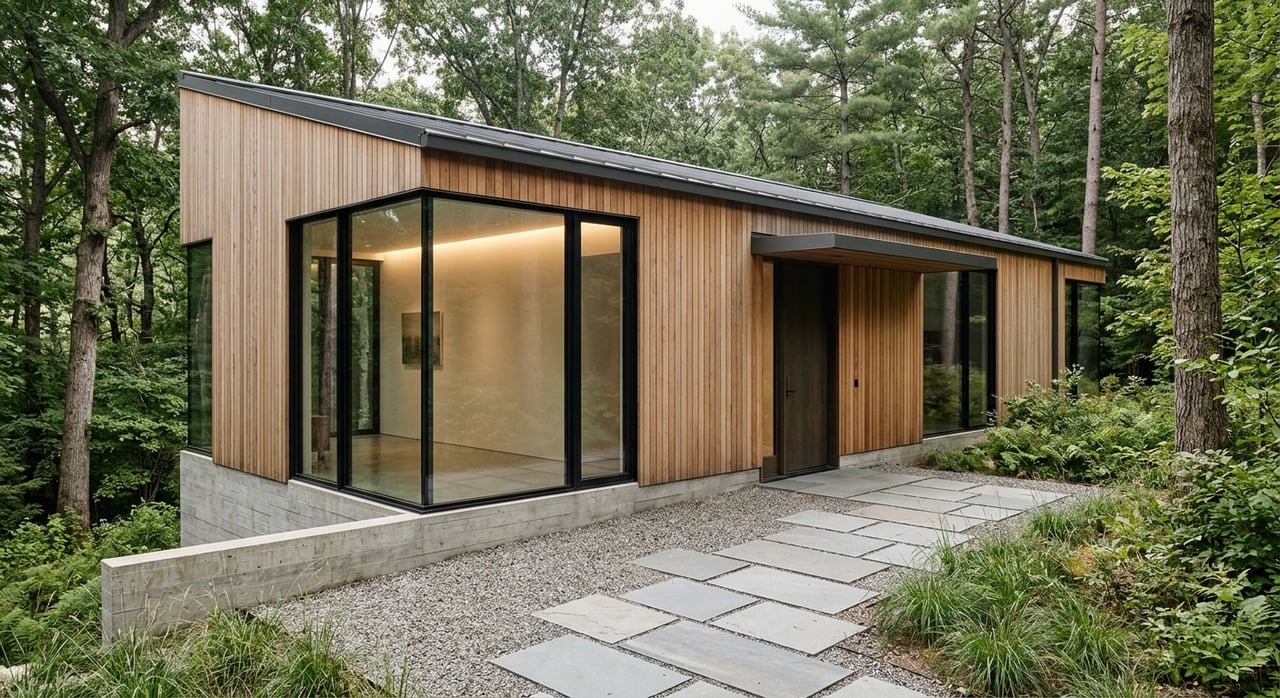
The sale at 59 Shady Hill Road is useful here. Its newer construction, office space, and outdoor living appeal supported a higher price point. That does not mean every seller needs a new build to perform well, but it does show that design quality and renovation depth belong in the pricing analysis.
Functional amenities can support a higher bracket
Amenities matter most when they fit the home, the site, and the likely buyer pool. In Weston and nearby luxury markets, buyers may place value on features that improve daily function or entertaining. That can include a private office, mudroom, attached garage, pool, cabana, wine cellar, sauna, or well-planned outdoor living space.
Nearby comparables help illustrate how these features can support pricing. A Wellesley sale at 193 Winding River Road closed at $4.375 million with a pool, cabana, and 1.32-acre site. In Lincoln, 198 Lincoln Road sold at $1.94 million with a home office, wine cellar, sauna, and 1.84 acres.
These sales should not be used as direct Weston substitutes. Still, they are helpful as secondary benchmarks because they show how buyers in nearby upper-bracket markets respond to functional luxury features when the overall property also fits the category.
Micro-location still matters in Weston
Even within Weston, not all locations are valued the same way. Street identity, privacy, topography, wooded surroundings, pond views, and proximity to conservation land can all affect how buyers perceive a home. In a luxury market with limited inventory, these details often carry more weight than general market averages.
That means your pricing strategy should reflect more than just the house and the acreage. A property on a premier street or one with a particularly compelling natural setting may belong in a different pricing conversation than a similar home elsewhere in town. The reverse is also true.
Use nearby towns as a secondary check
Sometimes Weston does not offer enough recent matches, especially if your home is unusually large, especially new, or unusually land-rich. In those cases, looking at nearby towns can help support the analysis. The key word is support.
A new construction home in Newton on a much smaller lot, like 26 Trowbridge Street at $2.95 million, may help illustrate how buyers value modern design. A larger lifestyle property in Wellesley may help frame amenity premiums. But Weston sales should usually lead the analysis, with other towns used to test the range rather than set it.
Avoid mixing trophy estates into a standard comp set
One common pricing mistake in luxury markets is pulling in exceptional estate sales that do not truly match the subject property. Weston’s spring 2026 sold list showed a wide spread in the upper bracket. Some homes, such as 24 Sears Road at $3.75 million and 81 Montvale Road at $4.30 million, may help define the broader luxury landscape, while properties like 3 Idlewile Lane and 9 Atlas Lane traded far above the ordinary luxury range.
If your home is not a trophy estate, using ultra-rare sales to justify a list price can backfire. Buyers and their advisors tend to notice when a property has been placed in the wrong bracket. Strategic pricing works best when the comparison set reflects the home you actually own, not the outlier sale you wish matched it.
Why tax assessments are not a pricing strategy
Many sellers look at their assessed value as a starting point. That number may offer useful context, but it should not drive your list price. In Massachusetts, assessors are required to value property at full and fair cash value as of January 1 each year for taxation purposes, and state guidance notes that certification of a community does not certify the valuation of any individual property.
That distinction matters. An assessment is designed for tax administration, not for positioning a luxury home in a thin and nuanced market. If you rely on the assessed value alone, you may miss the current impact of lot quality, design updates, setting, or shifting buyer demand.
A smarter way to price before you list
For most Weston luxury homes, the best process starts with recent Weston solds. From there, you adjust for lot size, frontage, age, architecture, renovation depth, and functional utility. If the local comp pool is limited, nearby-town sales can help confirm the range, especially when the home is unusually large, unusually new, or unusually site-driven.
This approach is more disciplined than pricing from a town average or a tax bill. It is also more useful for sellers who want to protect value without overshooting the market. In a town like Weston, precision matters because buyers tend to notice the difference between a home that is thoughtfully positioned and one that is simply priced high.
When you understand how Weston buyers evaluate land, design, and setting, you are better prepared to list with a strategy that fits the property and the moment. If you are thinking about selling and want a measured, data-driven opinion of value, Levy RE Group can help you position your home with discretion, clarity, and market discipline.
FAQs
How much does land matter when pricing a luxury home in Weston?
- Land matters a great deal in Weston because large, private parcels are limited by zoning, open-space protections, and the town’s low-density character.
Should you use nearby towns to price a Weston luxury home?
- Yes, but usually only as a secondary benchmark after reviewing recent Weston sales, especially if your home is unusual in size, age, or site characteristics.
Can your Weston tax assessment tell you what your home should list for?
- No, not reliably, because Massachusetts assessments are used for taxation and do not replace a current comp-based pricing analysis.
Do upgrades change Weston luxury home value before listing?
- Yes, thoughtful updates such as newer construction, stronger layouts, office space, and better indoor-outdoor living can support higher pricing when the lot and location also fit the upper bracket.
Why is price per square foot less useful for Weston luxury homes?
- Price per square foot can miss major value drivers in Weston, including lot size, privacy, frontage, views, design quality, and conservation adjacency.